Signs & Displays
Sign faces, backers, point-of-sale and exhibition panels, cut to the size you order in the three materials sign work actually runs on: acrylic for a glossy or backlit face, expanded (foam) PVC for a light panel that takes print, paint and vinyl, and HDPE where the sign lives outdoors.
Acrylic
The face that is the finish. Gloss or matte, a polished edge, cut and layered letters, and the only one of the three that backlights — translucent white turns a row of LEDs into an even glow. Heavier and dearer than foam PVC, holds its color and clarity in sun, and laser-cuts cleanly.
Expanded (foam) PVC
The panel sign shops run on. Light, stiff for its weight, with a matte face that takes paint, print and vinyl, and colored all the way through so a cut edge matches the face. Saw-cut edge only — it takes no polish — and it is a panel material, not a structural one: indoors or shaded, on a frame or a wall, never near heat.
HDPE (white and black)
The sign that lives outside. The white and black we stock are UV-stabilized lines made for outdoor and marine work. Its surface is slick — the same reason it cannot be glued — so plan on routed or engraved lettering rather than applied vinyl, and a saw-cut edge.
Cutting it yourself? Acrylic lasers. PVC never does.
Acrylic cuts cleanly on a CO2 laser with a polished edge — the craft and laser range is sized to common machine beds. PVC of either kind must never go in a laser: it releases chlorine gas and hydrochloric acid that attack your lungs and the machine’s optics. Cut foam PVC with a knife or a saw. HDPE melts under a laser and leaves a beaded edge; saw or rout it.
Which thickness
- 1/8" — Faces mounted to a backer or held in a frame, cut lettering, and every colored foam PVC. The everyday sign thickness.
- 3/16" — Acrylic faces too big to stay flat at 1/8″ — a light-box face over about two feet, or a panel that hangs on standoffs.
- 1/4" — Free-standing displays, panels on standoffs, outdoor HDPE blanks, and an acrylic face that reads as a slab with a polished edge.
Opaque white and black
The sign-blank colors. Acrylic gives a glossy face and can take a polished edge; foam PVC is lighter, matte, and colored through so a cut edge matches the face; HDPE white and black are UV-stabilized lines for a sign that stays outside. Pick by where the sign lives and how its edge will be finished.
White
acrylic · #3015
White
acrylic · #7328
Black
acrylic · #2025
White
foam PVC · #XPVC-WHT
Black
foam PVC · #XPVC-BLK
White
HDPE · #HD-WHT
Black
HDPE · #HD-BLK
Backlit and clear
Translucent white spreads light from behind into an even wash with no hotspots — the light-box and illuminated-letter face; the matte version also kills the glare on the front. Clear carries lettering applied to its back face, with the sheet protecting the graphic.
White Matte
acrylic · #2447M
White
acrylic · #2447
Clear
acrylic · #000
Colored foam PVC
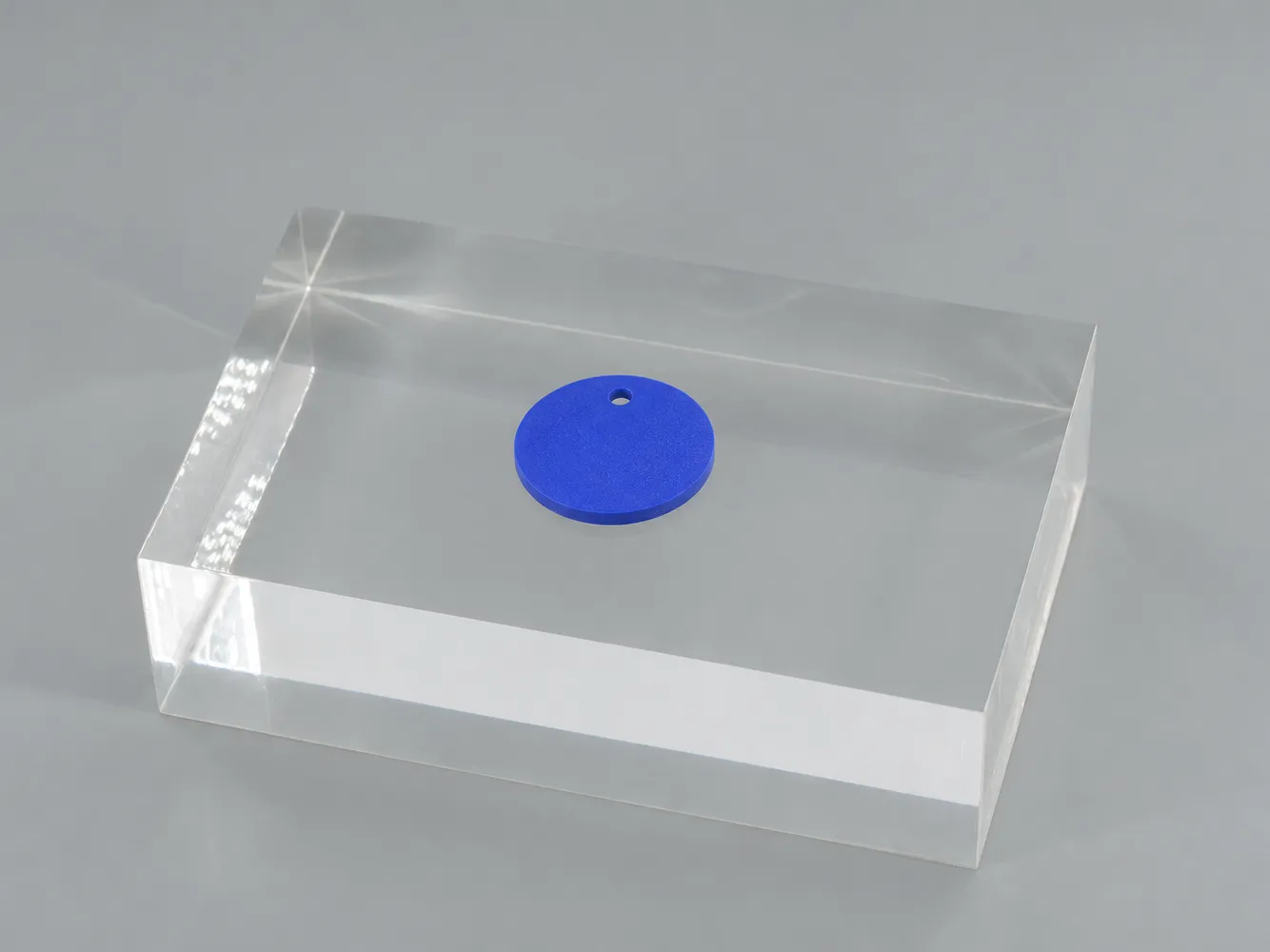
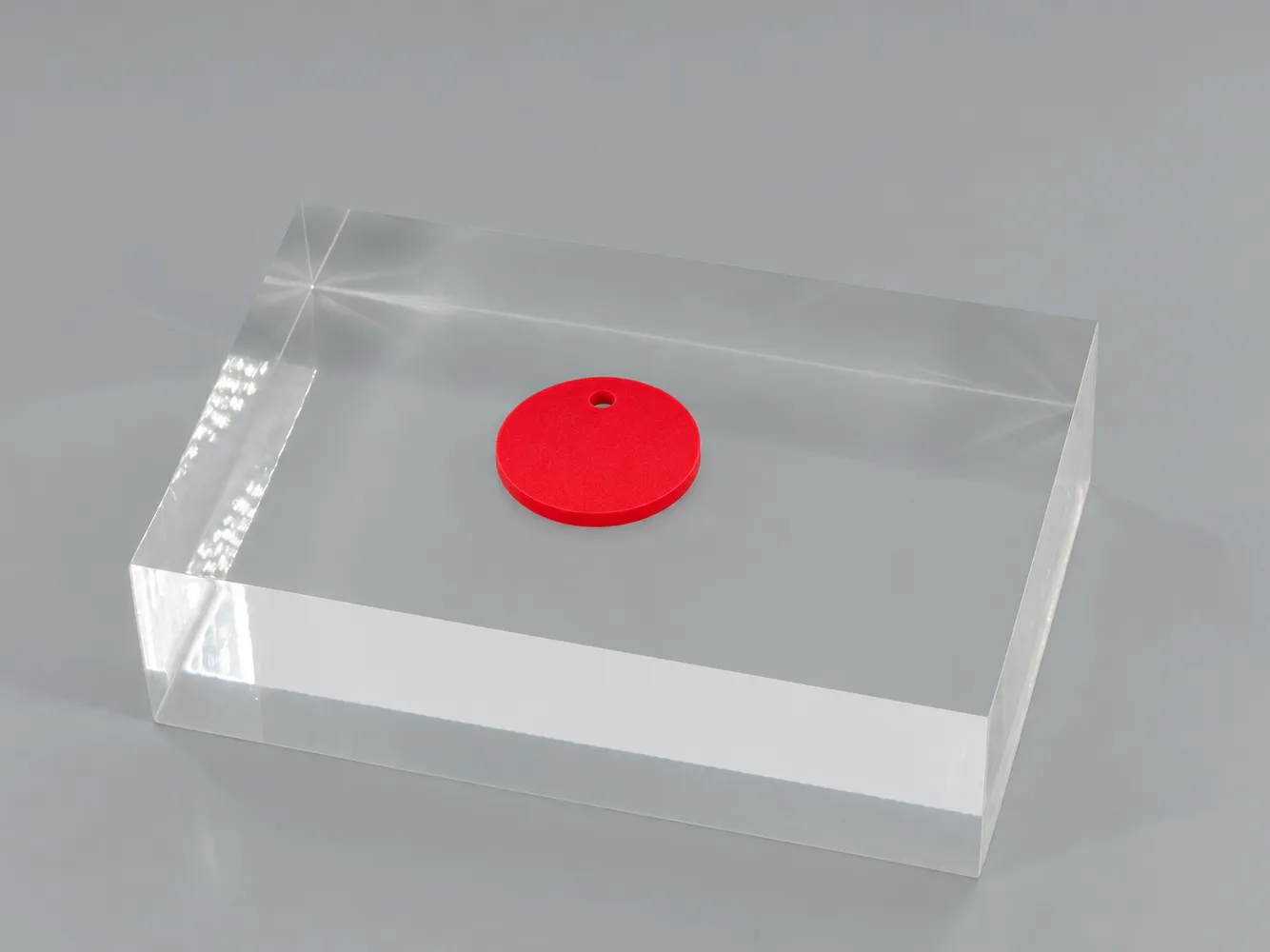
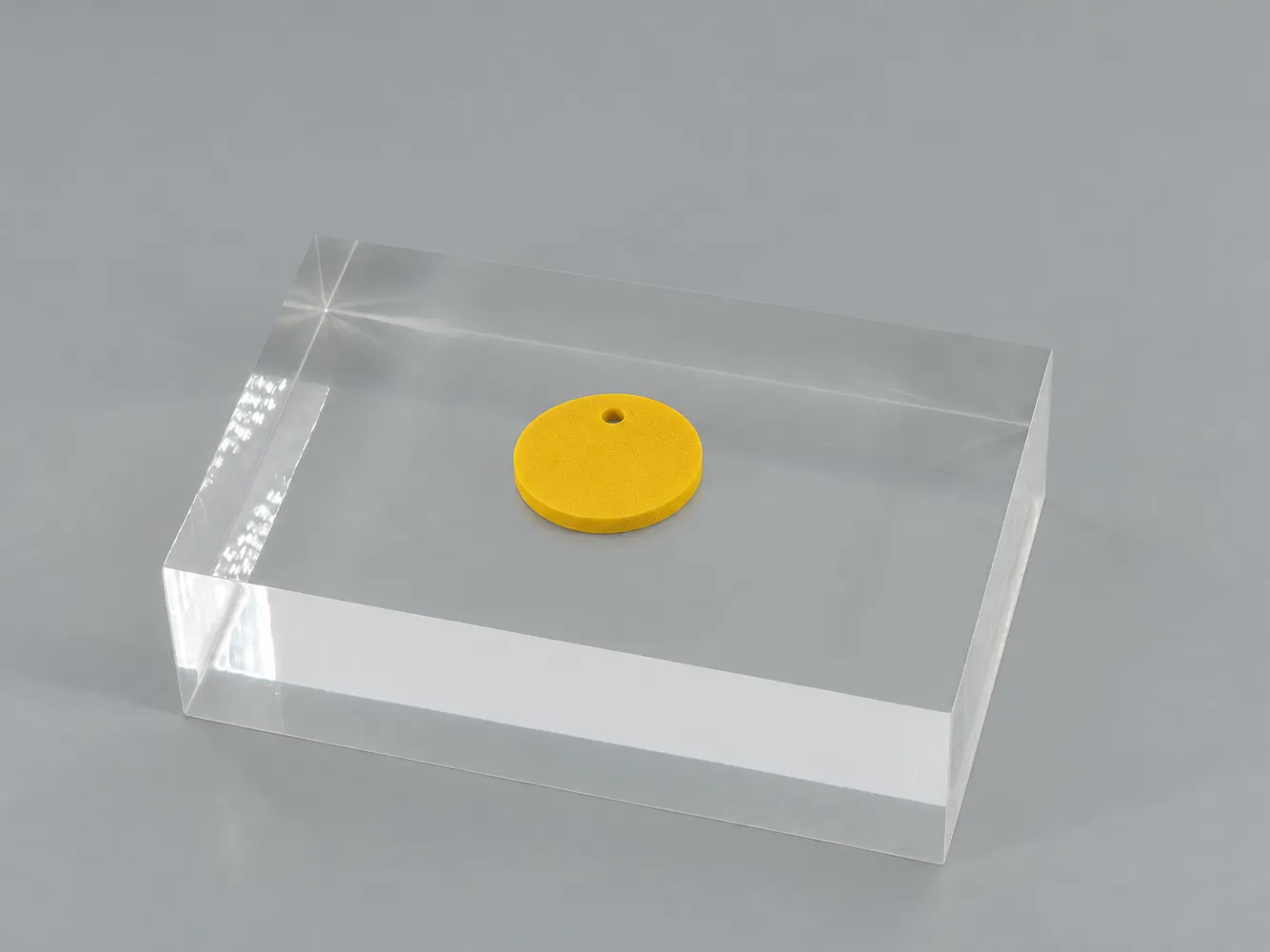
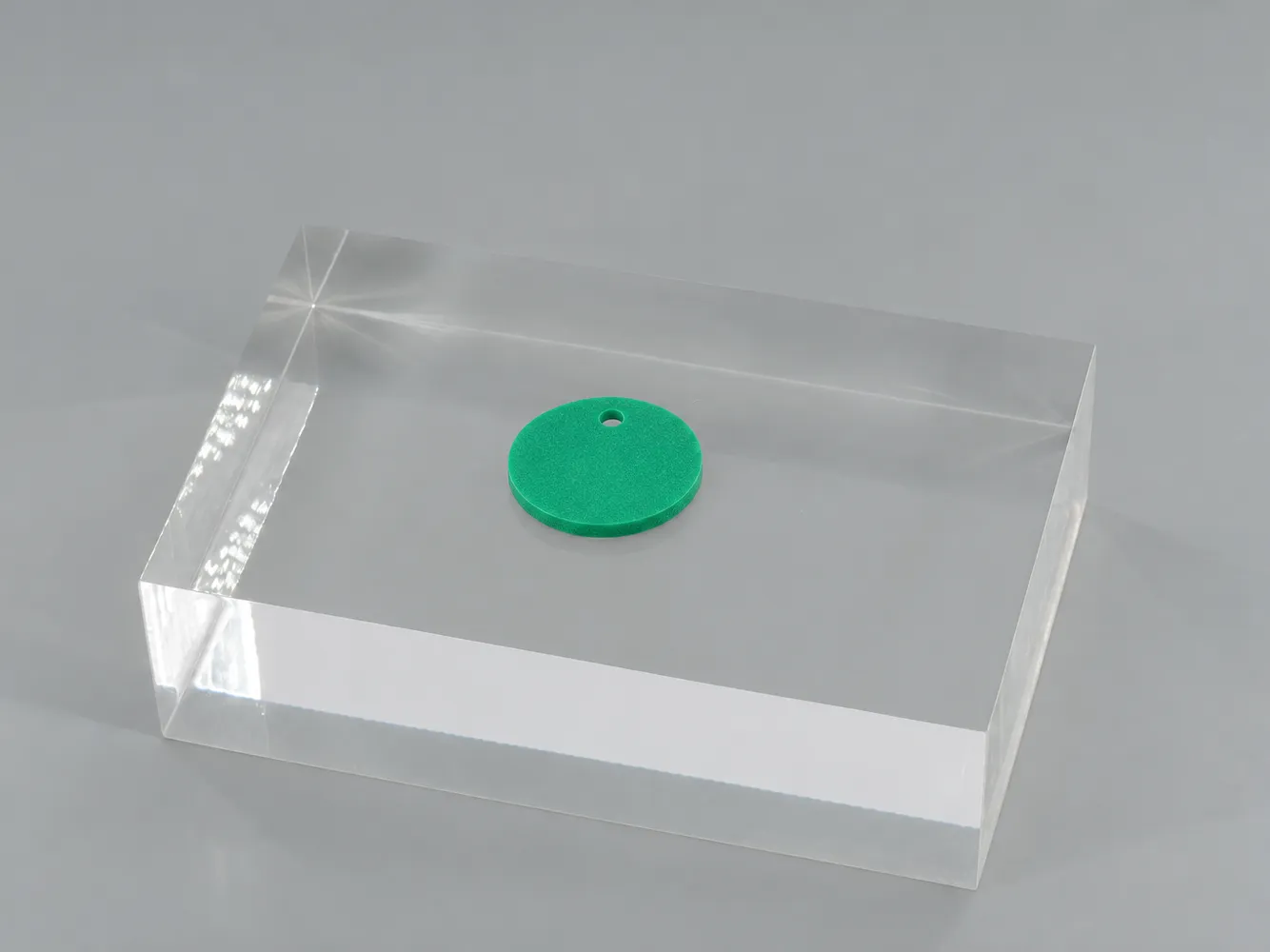
Solid color without paint, in 1/8″: a royal blue, red, yellow, green, and two grays for faces and cut lettering where plain white reads too bright. Colored through, so the edge matches. Indoors or shaded — a dark foam sheet left in direct sun will bow.
Blue
foam PVC · #XPVC-DKBL
Red
foam PVC · #XPVC-RED
Yellow
foam PVC · #XPVC-DKYL
Green
foam PVC · #XPVC-GRN
Dark gray
foam PVC · #XPVC-DKGY
Light gray
foam PVC · #XPVC-LTGY
Questions we get
Acrylic or foam PVC for a sign?
Foam PVC when the sign is a printed, painted or vinyl-lettered panel that mounts to a wall or a frame: it is light, stiff for its weight, matte, and the cheapest blank here. Acrylic when the face itself is the finish — gloss, a polished edge, cut letters, or a backlit panel. Acrylic is heavier and costs more, and it is the one that laser-cuts.
Which material for a sign outdoors?
HDPE white or black: the lines we stock are UV-stabilized and made for outdoor and marine work. Acrylic holds its clarity and color in sun as well, and suits an outdoor face in a frame. Keep foam PVC indoors or shaded; it is a panel material, not a structural one, and a dark sheet in direct sun will bow.
Which white for a light box?
A translucent white — White Matte 2447M, or the gloss-faced 2447. Light from behind spreads through it evenly instead of showing the tubes or LEDs as hot spots. The opaque whites (3015, 7328) block light completely and are for faces that are lit from the front.
Can I cut PVC on my laser?
No. Never. Lasering PVC of either kind releases chlorine gas and hydrochloric acid that attack your lungs and your machine's optics. Cut foam PVC with a knife or saw and HDPE with a saw or router — HDPE melts under a laser and leaves a beaded edge. Acrylic is the material that laser-cuts cleanly; the craft and laser range is sized to common machine beds.
What is the biggest panel you ship?
Up to 48″ on the long side ships as a parcel, to the contiguous US, in every material on this page. For a panel larger than that, look at full-size sheets or send us the dimensions and we will price the cut.
Bigger than 48″, or not a rectangle?
Everything on this page ships as a parcel to the contiguous US at up to 48″ on the long side. A larger piece is a full-size sheet or a quote; rounded corners, holes, cutouts and shapes go through the quote form with a sketch, and we price the work. Selling what you make? Volume and production pricing covers repeat runs of the same blank.