Windows & Glazing Replacement
A cracked or clouded pane in a storm window, shed, barn, coop, greenhouse, RV door or cabinet door. Measure the opening, choose acrylic or polycarbonate, and we cut the pane to the size you order — clear, tinted for shade and privacy, or frosted.
Acrylic (plexiglass)
The pane you look through. Clearer than polycarbonate, costs less, scratches less easily, and holds its clarity in sun — our outdoor guide covers what to allow for. Its weakness is a sharp hit, especially in the cold: a slammed door or a thrown ball can crack it where polycarbonate would flex. Right for storm windows, greenhouses, cabinet doors, sunrooms and sheds that are not getting knocked about.
Polycarbonate (the material sold as Lexan)
The pane that gets hit. Far tougher than acrylic — it bends under an impact and springs back — and it cuts and drills more forgivingly on ordinary tools. It costs more, scratches more easily, and is slightly less clear. Right for coop and kennel windows, shop and barn doors, equipment covers and anywhere a pane is part of a door that slams. Ask us before specifying it for years of full sun.
How to measure the opening
- Measure the width at the top, middle and bottom, and the height at the left, middle and right. Keep the smallest of each — old frames are rarely square.
- If the pane sits in a channel or a rabbet, measure to the bottom of the channel on both sides, not to the visible edge of the opening.
- Take off clearance so the sheet can expand and contract: about 1/16″ for every foot of length is a good allowance, split between the two sides. A pane cut to the exact opening binds on a hot day.
- Order that finished size — it is what the price is for — and leave the protective film on both faces until the pane is in.
- Fastening through the sheet? Drill the holes a size larger than the screw and use washers, so the pane can move with temperature instead of cracking around a tight fastener. Our cutting and drilling guide covers the rest.
Which thickness
- 1/8" — Small panes held on all four edges: storm-window inserts, cabinet doors, coop and shed windows under about two feet on a side.
- 3/16" — Mid-size panes, and any door that gets slammed — noticeably stiffer than 1/8″ for little extra weight.
- 1/4" — Large panes, greenhouse and barn glazing, and openings where the frame holds the sheet on only two edges.
- 3/8" — Polycarbonate only. Panes that take knocks as part of the job: equipment doors, shop and barn openings, panels near machinery.
- 1/2" — Polycarbonate only, and the heaviest pane we ship as a parcel. Check what will carry it before you order it.
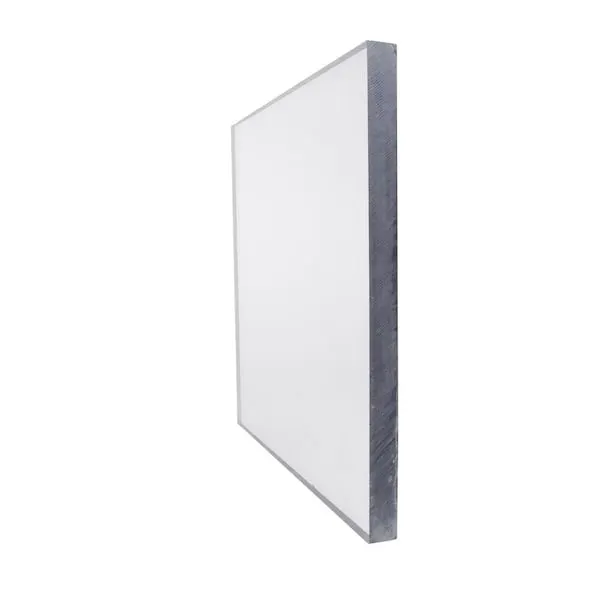
Clear
The straight replacement for a clear pane. Clear acrylic is optically about as clear as glass at roughly half the weight; clear polycarbonate gives up a little clarity for a sheet that bends under a hit instead of cracking.
Clear
acrylic · #000
Clear
polycarbonate · #PC-CLR
Tinted for shade and privacy
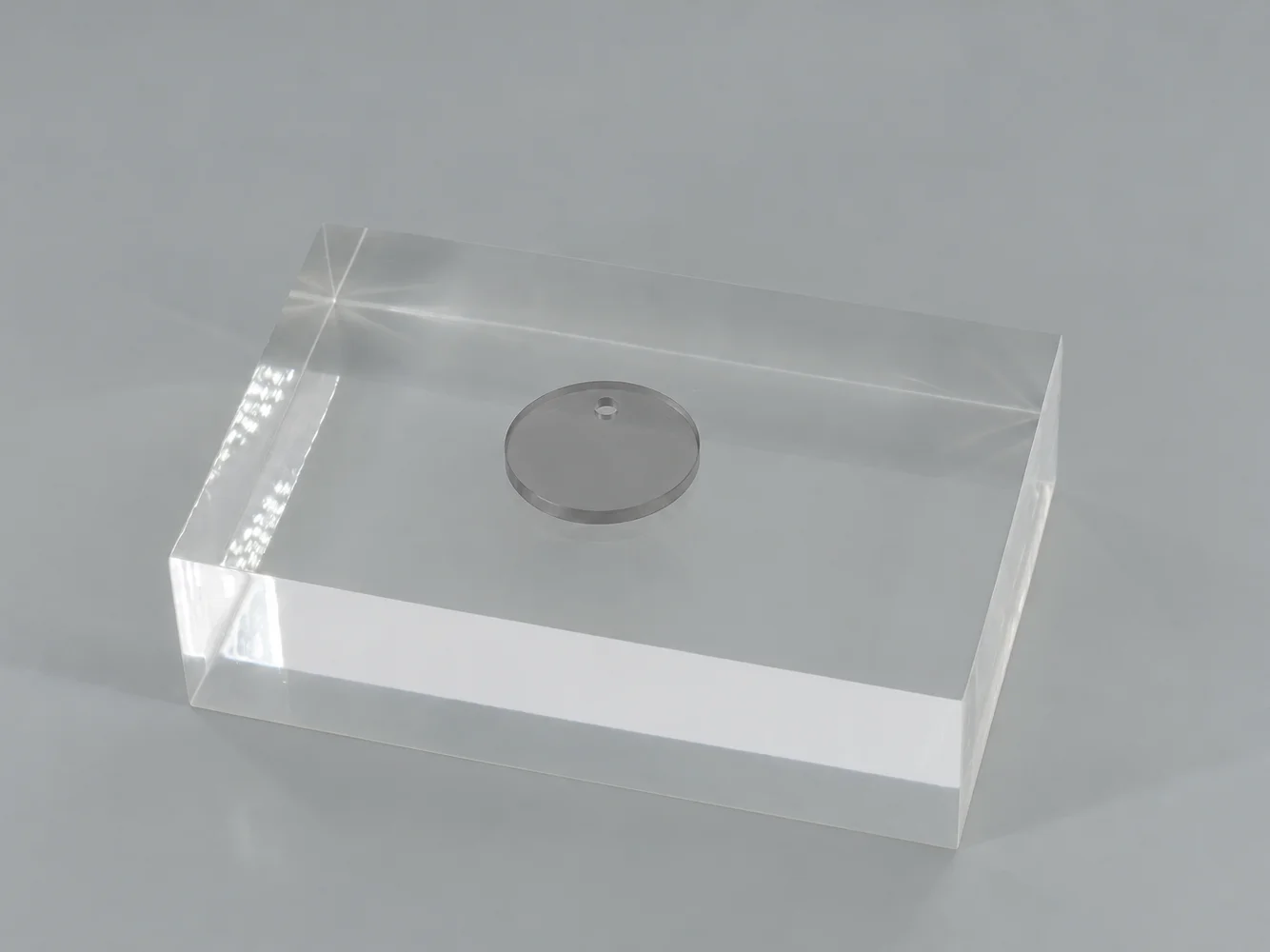
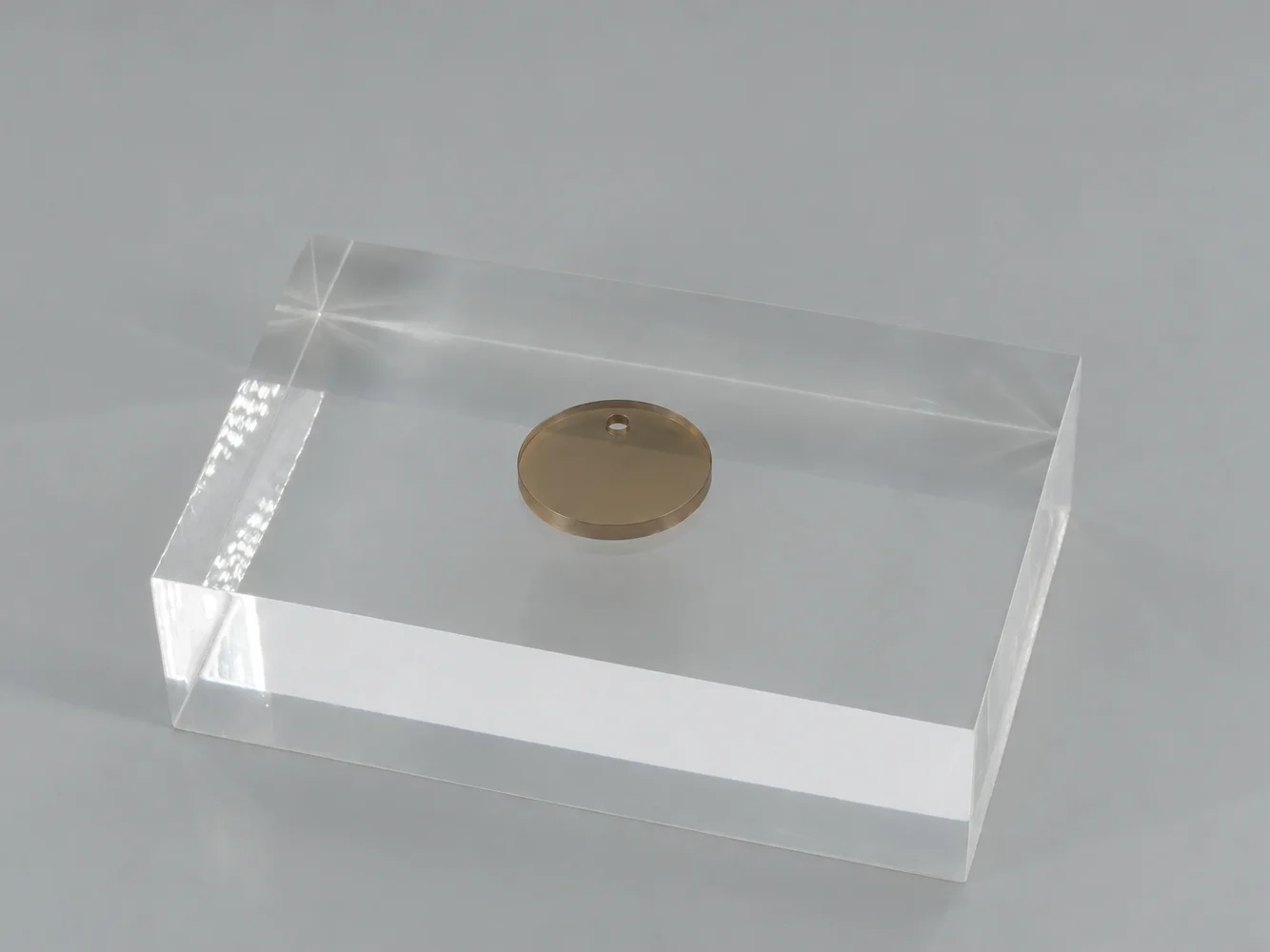
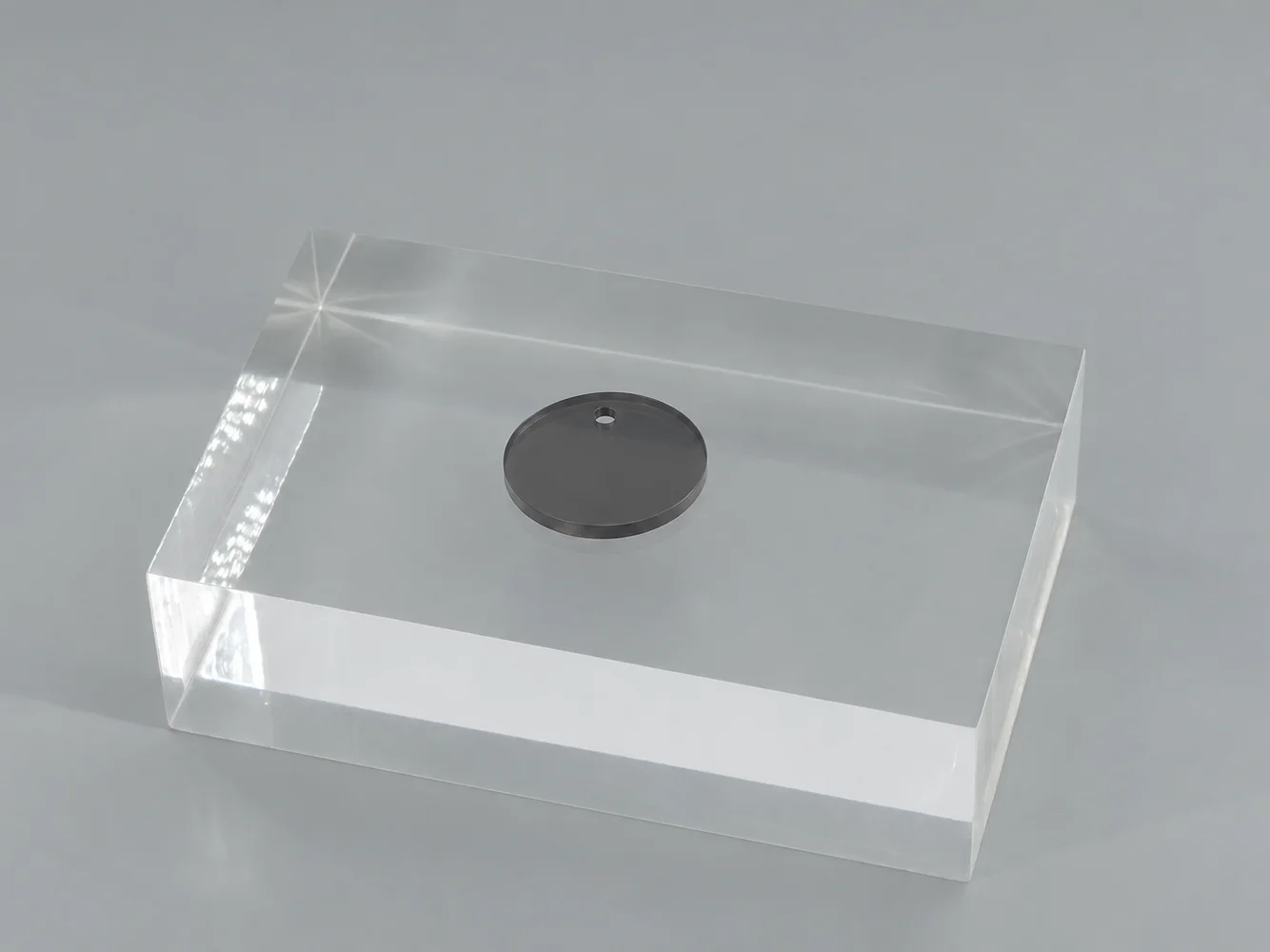
See-through tints that take the glare and some of the heat out of a sunny opening and soften the view in. Gray is neutral, bronze warms the light, dark gray takes most of it out. Acrylic tints run to 1/4″; polycarbonate tints run to 1/2″ on the sizes we stock.
Gray
acrylic · #2064
Gray
acrylic · #2074
Gray
acrylic · #2514
Bronze
acrylic · #2370
Bronze
acrylic · #2404
Bronze
acrylic · #2412
Smoked Gray
polycarbonate · #PC-GRY
Bronze
polycarbonate · #PC-BRZ
Dark Gray
polycarbonate · #PC-DGY
Frosted for privacy
Light comes through, the view does not. Frosted acrylic has one matte face and one gloss face — set the matte face toward the room you want protected from fingerprints, or toward the weather so the gloss face is the one you clean. Bathroom-window and cabinet-door glazing lands here.
Frosted (P95, one side)
acrylic · #000M
Questions we get
Acrylic or polycarbonate for a window?
Acrylic when the pane is there to be looked through: it is clearer, costs less, scratches less easily, and holds up well in sun. Polycarbonate when the pane is going to get hit — a shed door that slams, a coop a dog jumps at, a shop window near machinery. It is far tougher, cuts and drills more forgivingly, and costs more. Both come cut to the size you order.
What thickness for a storm window, shed or greenhouse?
Storm-window inserts and cabinet doors are 1/8″ work. Shed, coop and barn windows up to about two feet on a side take 1/8″ held on four edges or 3/16″ if the frame is light. Greenhouse panels and anything over two feet on a side want 1/4″. In polycarbonate, 3/8″ and 1/2″ are for panes that take knocks as part of the job, not for ordinary windows.
How do I measure for a replacement pane?
Measure the width and the height of the opening at three points each and keep the smallest of each. If the pane sits in a channel or rabbet, measure to the bottom of the channel on both sides. Then take off clearance so the sheet can expand and contract — about 1/16″ for every foot of length is a good allowance — and order that finished size. A pane cut to the exact opening will bind on a hot day.
Can I drill it?
Yes, both materials. Leave the protective film on, back the sheet with scrap wood, run the drill slowly and never let the bit grab on the way out. Make the holes a size larger than the screw and use washers, so the sheet can move with temperature instead of cracking around a tight fastener. Our guide to cutting and drilling acrylic covers the detail; polycarbonate is more forgiving of all of it.
What is the biggest pane you ship?
Anything up to 48″ on the long side ships as a parcel, in every thickness on this page, to the contiguous US. Thicker, heavier sizes trim their own size list on each product page. For an opening larger than that, look at full-size sheets or send us the dimensions and we will price the cut.
Bigger than 48″, or not a rectangle?
Everything on this page ships as a parcel to the contiguous US at up to 48″ on the long side. A larger piece is a full-size sheet or a quote; rounded corners, holes, cutouts and shapes go through the quote form with a sketch, and we price the work.