1/2" Smoked Gray polycarbonate sheet
The standard gray glazing tint — the one usually called smoked — see-through, with a good share of the light and glare taken out.
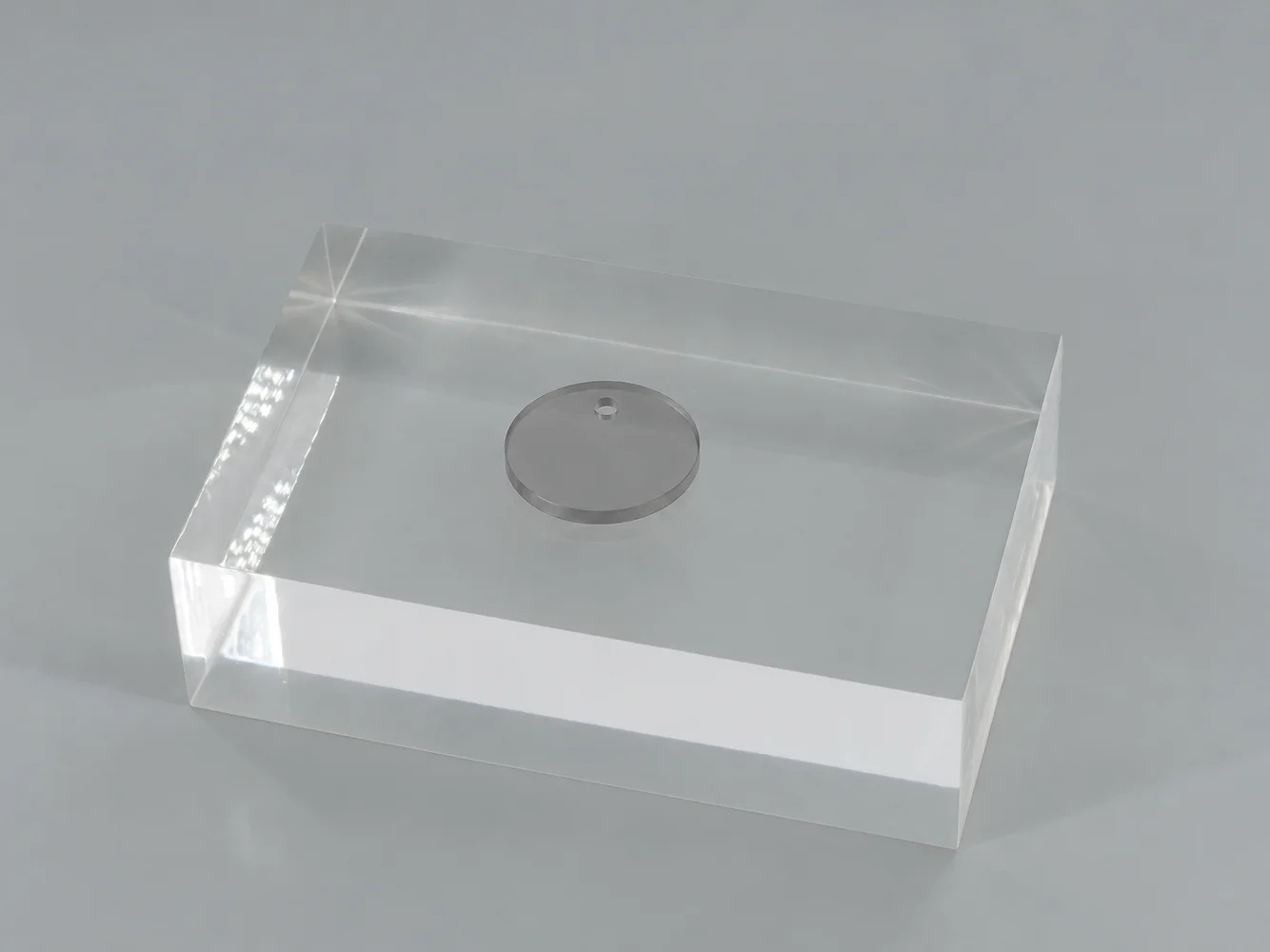
Gray polycarbonate sheet, cut to your exact size from 12" to 48" per side. Pick a standard size or enter custom dimensions, add diamond-polished edges, and see the price instantly — no quote for straight cuts, no minimum order. Note: polycarbonate should not be laser cut.
- High impact strength — far tougher than acrylic
- Gray tint runs through the sheet, not a surface film
- Thicknesses from 1/16" to 1/2"
What smoked gray polycarbonate is for
Gray polycarbonate — smoked polycarbonate, in everyday shop language — is the tint a glazing drawing means when it says gray: a neutral, medium tint that runs through the sheet, cuts the light and solar heat coming through a panel, and still lets you see what is on the other side. It is specified where clear would be too bright or throw too much glare — carport, canopy and walkway glazing, window and door lites, and covers over displays and equipment that should read as a window rather than a mirror.
It carries the same impact resistance as clear polycarbonate, so it is also the answer for the guard or shield that has to be looked through all day: machine-guard windows, screens between a process and its operator, and enclosure fronts where a clear panel is tiring under bright shop lighting. Because the color is neutral, what you see through it keeps its true color, only darker.
Gray, smoke and smoked gray are all names for this same tint — a spec, a drawing or a reorder that uses any of them is asking for this sheet. The tint is in the material rather than a film on the surface, so it does not scratch off or peel.
Why 1/2" specifically
1/2" is the heavy end of the range: chosen where the panel itself is the protection and failure is not an option. Think containment, high-impact barriers, and glazing that has to stop something with energy behind it. It is very heavy for its area, so check what is holding it before specifying it, and expect to cut it with a saw rather than scoring and snapping.
Do not cut polycarbonate in a laser
Polycarbonate absorbs the beam instead of cutting cleanly: it scorches brown along every edge, melts and re-welds, gives off fumes you should not breathe, and can catch fire. It also coats the optics. This is true of every laser and every thickness — CO2 and diode alike, and it is not a settings problem.
Cut polycarbonate mechanically — saw, router or shears — or tell us the finished size and we will cut it for you. If the part is going in a laser, you want acrylic instead; the craft & laser range is set up for exactly that.
Questions
What is smoked Lexan?
Smoked Lexan is gray-tinted polycarbonate sheet — this one. Smoked is the everyday name and gray is the manufacturer's, and they describe the same material: a tint through the sheet rather than a film on it, so it will not scratch off or peel, cutting transmitted light and heat while staying see-through.
Can you see through gray polycarbonate?
Yes. It is a tint, not a solid color — think tinted glass or a car window. What is behind it stays visible, darker and with the glare taken out. For a panel that hides what is behind it, black polycarbonate is the opaque option; for a much heavier tint that you can still see through, look at Dark Gray.
Does the gray tint affect strength?
No. The pigment is added when the sheet is made and does not change the impact resistance — gray polycarbonate takes a hit exactly as clear does, which is why it is used for guard windows and glazing that get struck.